

Night Fishing: Tips, Species & Safety
Why fishing after dark can be the most productive time of day — and how to do it safely and effectively.
As the sun goes down, many anglers pack up and head home. But for those who stay, some of the best fishing of the day is just beginning. Night fishing isn't just about escaping the summer heat — many species feed more actively after dark, and the reduced fishing pressure means bigger, less cautious fish.
Why Night Fishing Works
- Fish feel secure — low light makes predatory fish more confident to move into shallow water
- Cooler water — summer heat pushes fish deep during the day; they move shallow to feed at night
- Less pressure — fewer boats, less noise, less fishing pressure means more active fish
- Bigger fish — trophy-size fish are often more active at night, especially in heavily fished waters
Best Species to Target at Night
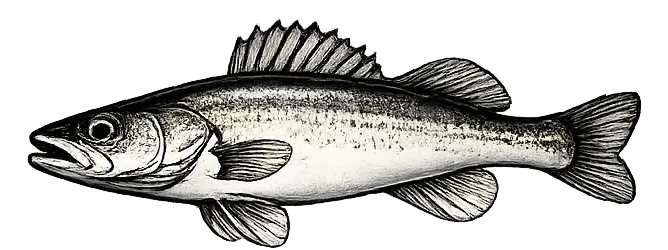
Walleye
The classic night-fishing species. Walleye have exceptional low-light vision and feed aggressively after dark. Target rocky points, shoals, and weed edges in 5-15 feet of water. Crankbaits, jigs with plastics, and live bait rigs all work well.
Catfish
Channel, blue, and flathead catfish are primarily nocturnal feeders. They use their keen senses of smell and taste to find food in the dark. Cut bait, stink bait, and live bait fished on the bottom are the most effective presentations.
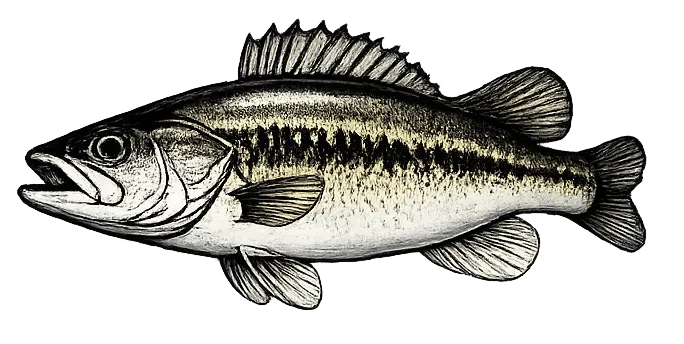
Largemouth Bass
Summer night fishing for bass has become increasingly popular. Topwater lures — especially black ones — produce explosive strikes in the dark. Work shallow weed beds, docks, and lily pads with buzzbaits, poppers, and frogs.
Striped Bass
Stripers feed heavily at night, especially in the warmer months. They chase baitfish in shallow water and along shorelines. Live bait, swimbaits, and topwater plugs are all effective.
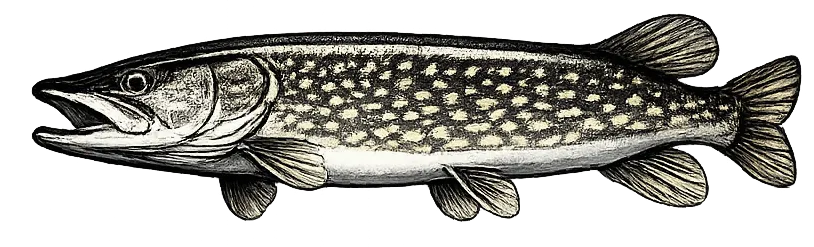
Muskie & Pike
Both species are known to feed actively at night during the summer. Large swimbaits, bucktails, and topwater lures worked along weed edges and points can produce hookups with trophy fish.
Crappie
Crappie move into shallow water at night during spring and summer. Fish with small jigs or live minnows under a slip bobber around docks, bridge pilings, and submerged brush.
Essential Gear for Night Fishing
- Headlamp with red light mode — white light spooks fish and ruins your night vision. Red light preserves your ability to see in the dark.
- Navigation lights — legally required if you're in a boat after dark. Check your local regulations.
- Black lures — black, dark blue, and purple lures create the strongest silhouette against the night sky.
- Noisy lures — rattles, prop baits, and buzzbaits help fish locate your lure by sound and vibration.
- Glow sticks and luminous tape — attach a small glow stick or luminous tape to your rod tip so you can see bites.
- Extra flashlight and batteries — redundancy is cheap insurance.
- Bug spray — mosquitoes and other insects are most active at dusk and through the night.
Techniques for Night Fishing
Slow Down
Fish are less willing to chase at night. Retrieve lures more slowly than you would during the day. Give fish more time to locate and strike your offering.
Use the Moon
A full moon provides enough light to fish effectively without artificial light. New moon nights are darker but often produce better feeding activity. Check solunar tables (available in the CatchTales app) for the best night fishing windows.
Focus on Transition Areas
Fish move from deep water to shallow water to feed at night. Focus on the edges of weed beds, the tops of submerged points, and the edges of channels. These transition zones are where predators ambush prey.
Fish the Same Spots Differently
Spots that produce during the day may not produce at night, and vice versa. Fish that hug cover during the day will roam more freely at night. A shallow flat that seems empty during the day can be packed with feeding fish after dark.
Night Fishing Safety
- File a trip plan — tell someone exactly where you're launching and when you expect to return.
- Know the water — don't night-fish a new lake for the first time at night. Learn it during daylight first.
- Check weather carefully — storms are harder to spot approaching at night.
- Wear your PFD — always. If you go overboard in the dark, getting back in the boat is much harder.
- Bring a fully charged phone in a waterproof case — your phone is your most important safety tool.
- Carry a whistle — your voice carries less at night. A whistle is louder and travels farther.
- Pack extra layers — temperatures drop after sunset, even in summer.
Sample Night Fishing Timeline
- Late afternoon: Arrive at the lake, launch the boat, scout spots during daylight
- Sunset: Fish the evening bite (often the most active period)
- First hour of dark: Switch to black lures, slow down your presentation
- Late evening: Check solunar periods — major periods can trigger intense feeding
- Midnight: Take a break, have a snack, re-rig if needed
- Pre-dawn: The hour before sunrise can be as good as sunset
- Sunrise: Pack up and head in — or keep fishing through the morning bite
Plan Your Night Fishing with CatchTales
The CatchTales app includes solunar predictions, weather forecasts, and moon phases so you can pick the best nights to be on the water. Log your night catches and build a record of what works after dark.
← Back to BlogPublished July 2026 by the CatchTales team.

Written by Maison Louis Design — The Art of Better Digital
Get CatchTales
Ready to start bragging? Download the app and hit the water.
Free version available — upgrade to Pro for $8.99/year or $19.99 lifetime (CAD).