
Kayak Fishing Guide for Canada & the US
Everything you need to know to get started with kayak fishing — choosing a kayak, essential gear, safety, species, and where to launch.
Kayak fishing is one of the fastest-growing segments of the sport. It's quiet, affordable, and gets you into places power boats can't reach. Whether you're paddling a quiet lake in Ontario, working the shoreline of a bass reservoir in Texas, or chasing salmon along the BC coast, a kayak opens up a whole new way to fish.
This guide covers everything you need to know to get started — from choosing your first kayak to staying safe on the water.
Choosing a Fishing Kayak
There are three main types of kayaks used for fishing. Your choice depends on where you fish and how you get to the water.
Sit-on-Top (SOT)
The most popular choice for kayak fishing. Sit-on-top kayaks are self-bailing (holes in the deck let water drain), stable, and easy to re-enter if you capsize. They're ideal for warm-weather fishing and beginners.
- Best for: Lakes, slow rivers, warm coastal waters
- Length: 10-14 feet
- Weight capacity: 350-500 lb
- Pros: Stable, self-bailing, easy to customize
- Cons: Wet ride (you sit in water), heavier to car-top
Sit-Inside (SI)
Sit-inside kayaks keep you drier and warmer, making them better for cold-weather fishing and northern climates. They're faster through the water but harder to re-enter if flipped.
- Best for: Cold water, surf, longer paddles
- Length: 12-16 feet
- Weight capacity: 300-400 lb
- Pros: Drier, warmer, better tracking
- Cons: Harder re-entry, less stable for standing
Inflatable (IK)
Inflatable kayaks pack down small and are perfect for anglers with limited storage or those who travel. Modern inflatables are surprisingly durable and stable.
- Best for: Travel, apartment living, calm waters
- Length: 10-13 feet
- Weight capacity: 300-450 lb
- Pros: Portable, easy storage, affordable
- Cons: Slower, punctures possible, not for rough water
Essential Gear
Beyond the kayak itself, here's what you need:
Required Safety Gear
- PFD (Personal Flotation Device) — must be worn at all times. Get a fishing-specific PFD with pockets and attachment points.
- Whistle or air horn — legally required on most waterways
- Throw rope — a floating rope bag for rescues
- Light — white light for low visibility (legal requirement after dark)
Fishing-Specific Gear
- Paddle leash — keeps your paddle from floating away if you drop it
- Anchor trolley — lets you position your kayak without drifting
- Rod leashes — cheap insurance against losing a rod overboard
- Milk crate or crate bag — the classic kayak storage solution
- Dry bags — keep phone, keys, and lunch dry
- Scotty or Ram mounts — for rod holders, fish finders, and cameras
Comfort & Convenience
- Padded seat cushion — kayak seats vary wildly; an aftermarket seat can save your back
- Sun protection — hat, sunglasses with polarized lenses, long sleeves, sunscreen
- Waterproof phone case — or a simple ziplock bag
- Hydration — a water bottle in a cupholder or hydration bladder
Safety on the Water
Kayak fishing is safe when you respect a few basic rules:
- Always wear your PFD — not on the seat, not in the hatch. On your body. Most kayak fatalities happen to people not wearing one.
- Check the weather — wind is the biggest danger to kayakers. Anything over 15 km/h (10 mph) makes paddling difficult. Over 25 km/h (15 mph) can be dangerous.
- Dress for the water temperature, not the air — cold water can incapacitate you in minutes. In water below 15°C (60°F), wear a wetsuit or drysuit.
- File a trip plan — tell someone where you're launching, where you're going, and when you'll be back.
- Know your limits — if the water looks rough, it's too rough. There's always another day.
- Stay visible — bright-coloured kayak, flag on a pole, or a light in low visibility.
Top Species for Kayak Anglers
Some fish are particularly well-suited to kayak fishing because they're found in shallow water, near shore, or in places power boats can't go.
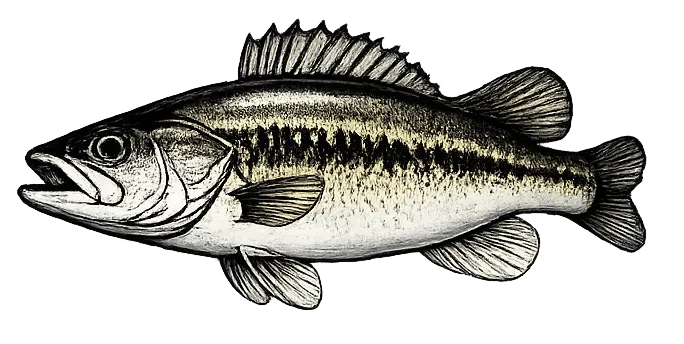
- Largemouth Bass — the #1 kayak target across the US. Shallow weed beds, laydowns, and docks are perfect kayak water.
- Smallmouth Bass — rocky shorelines and river sections in the Great Lakes region, Ontario, and the northeastern US.
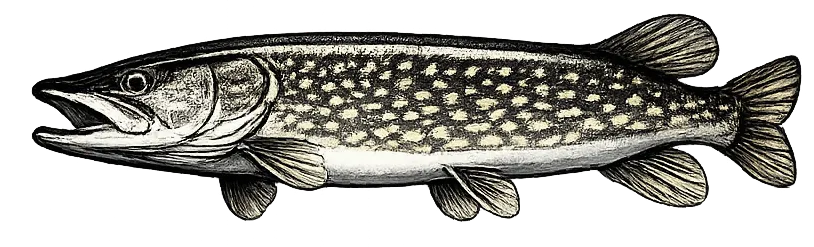
- Northern Pike — weedy bays and slow rivers across Canada and the northern US. Kayaks can sneak into their feeding areas silently.
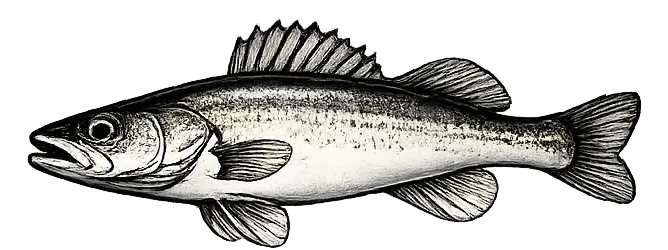
- Walleye — dawn and dusk on rocky points and shoals. Kayaks let you cover water quietly.
- Panfish — bluegill, crappie, and perch are perfect for kayak anglers. Easy to find, fun to catch, great to eat.
- Salmon (Pacific) — kayak salmon fishing on the BC coast is a growing sport. Drift fishing and mooching from a kayak is effective and thrilling.
- Redfish & Speckled Trout — inshore saltwater kayak fishing in the southern US, particularly Florida, Texas, and Louisiana.
Where to Launch
One of the best things about kayak fishing is that you can launch almost anywhere. Here are some of the best regions for kayak fishing in Canada and the US:
- Ontario's Kawarthas — thousands of lakes with public launches, great for bass, pike, and walleye
- Lake of the Woods (Ontario/Minnesota) — 65,000 miles of shoreline, endless kayak water
- Florida's Gulf Coast — shallow flats, mangroves, and inshore species like redfish and trout
- Pacific Northwest (BC/Washington) — salmon, halibut, and incredible scenery
- Texas Hill Country Lakes — clear reservoirs with abundant bass
- Adirondacks (New York) — thousands of lakes and ponds, many with no motor restrictions
- The Great Lakes shorelines — launch from beaches and harbours for smallmouth, salmon, and trout
Transporting Your Kayak
Getting your kayak to the water is the most overlooked challenge for new kayak anglers:
- Roof racks — the standard solution. J-cradles make loading easier for one person.
- Truck bed — if you have a truck, a bed extender lets you carry a kayak that sticks out the back.
- Kayak trailer — if you own multiple kayaks or fish far from home, a small trailer is worth every penny.
- Inflatable — fits in the trunk of any car. The most accessible option for apartment dwellers.
Getting Started Checklist
- Choose your kayak type based on where you'll fish most
- Buy a quality PFD and wear it every time
- Start with basic gear — paddle, leash, rod holder, dry bag
- Practice self-rescue in shallow water before your first real trip
- Start on a small, protected lake with light wind
- Gradually build up to bigger water as your skills improve
- Join a local kayak fishing group — the community is welcoming and full of knowledge
Log Your Kayak Catches with CatchTales
The CatchTales app is perfect for kayak anglers — voice-controlled logging means you never have to put down your rod. Track species, weight, length, GPS location, and weather conditions hands-free.
Track Every Catch Hands-Free
CatchTales lets you log catches by voice — perfect for kayak fishing where every hand is busy. Get solunar predictions, weather forecasts, and interactive maps designed for North American waters.
← Back to BlogPublished July 2026 by the CatchTales team.

Written by Maison Louis Design — The Art of Better Digital
Get CatchTales
Ready to start bragging? Download the app and hit the water.
Free version available — upgrade to Pro for $8.99/year or $19.99 lifetime (CAD).