
Ice Fishing Gear & Techniques: Complete Guide
Everything you need to know about fishing through the ice — from essential gear to species-specific tactics for Canadian winters.
Ice fishing turns frozen lakes into a whole new fishery. It's a uniquely social, mobile, and technical form of fishing that's deeply rooted in Canadian and northern US culture. Whether you're targeting panfish through a hand-augered hole or chasing trophy pike from a heated shelter, ice fishing rewards preparation and knowledge.
Ice Safety First
Before any gear or technique, you need to understand ice safety. No fish is worth your life.
- 4 inches (10 cm) — minimum for walking
- 5-6 inches (12-15 cm) — minimum for snowmobile or ATV
- 8-12 inches (20-30 cm) — minimum for small car or SUV
- 12+ inches (30+ cm) — minimum for medium truck
Always check ice thickness as you go. Use a spud bar to test the ice ahead of you. Ice near shore, around inlets/outlets, and over flowing water is often thinner. Clear blue ice is strongest; white, cloudy, or honeycombed ice is weak.
Essential ice safety gear: ice picks (wear around your neck), throw rope, spare dry clothes in a dry bag, fully charged phone, and never fish alone on unfamiliar ice.
Ice Fishing Rods and Reels
Ice rods are short (24-36 inches) and more flexible than open-water rods. The shorter length lets you work a hole without snagging the tip on the ice edge.
- Panfish rod: ultra-light, 24-28 inches, sensitive tip for detecting light bites from perch, crappie, and bluegill.
- Walleye rod: medium-light, 28-32 inches, enough backbone to set a hook through a heavy jig but sensitive enough to feel a subtle bite.
- Pike/trout rod: medium-heavy, 32-36 inches, capable of handling bigger fish and heavier lures.
- Tip-ups: not a rod, but essential for pike fishing. A tip-up suspends bait under the ice and flags when a fish takes it.
Most ice anglers use spinning reels spooled with braided line (for sensitivity and strength) plus a fluorocarbon leader to prevent line freeze and add abrasion resistance.
Ice Augers
You need a hole to fish. How you make it depends on your budget and how much ice you cut each season.
- Hand auger — cheap, light, quiet. Good for 10-15 holes per trip in ice up to 12 inches. Brands like Nils and Mora are trusted. Expect to spend 20-30 seconds per hole in 12 inches of ice.
- Gas auger — cuts through thick ice quickly. Heavier, louder, and requires maintenance. The standard for serious ice anglers who drill 30+ holes per trip. Jiffy and Eskimo are common brands.
- Electric auger — the modern choice. Lighter than gas, quieter, and starts every time. Battery range of 30-60 holes per charge. StrikeMaster and Ion are popular brands.
Ice Fishing Shelters
A shelter (or "hut") protects you from wind and cold, allowing you to fish comfortably for longer.
- Flip-over shelter — the most popular design for mobile anglers. Tows behind a snowmobile or ATV and flips over to create an instant shelter. Sets up in seconds.
- Pop-up hub shelter — lightweight and packs small. Takes 2-3 minutes to set up. More room than a flip-over but less portable in wind.
- Permanent ice hut — a wooden or metal structure left on the ice for the season. Common on Canadian lakes. Heated with a wood stove or propane heater for all-day comfort.
Ice Fishing Electronics
Modern ice fishing relies heavily on electronics to see fish under the ice.
- Flashing sonar (vexilar-style) — shows fish as coloured marks on a circular dial. Shows depth, lure position, and fish movement in real-time. The gold standard for serious ice anglers.
- Graphic fish finder — like an open-water fish finder but with ice-specific features. Shows a history of fish activity. Many anglers use a portable kit with a suction-cup transducer.
- Underwater camera — not essential but incredibly useful for seeing how fish react to your bait. Especially helpful for learning new lakes or targeting finicky fish.
Clothing for Ice Fishing
Staying warm is the difference between a great day and a miserable one.
- Base layer: merino wool or synthetic. No cotton — it stays wet and cold.
- Mid layer: fleece or insulated jacket. Provides warmth when you're sitting still.
- Outer layer: waterproof and windproof bibs and jacket. Ice fishing-specific suits have extra insulation in the seat and knees.
- Boots: rated to at least -40°C/F. Pack boots (like Baffin or Sorel) are the standard. Your feet will get cold before any other part of your body.
- Gloves: fingerless gloves with a convertible mitten top (flip-top mitts) let you tie knots and handle fish without exposing bare skin.
Species-Specific Techniques
Walleye Through the Ice
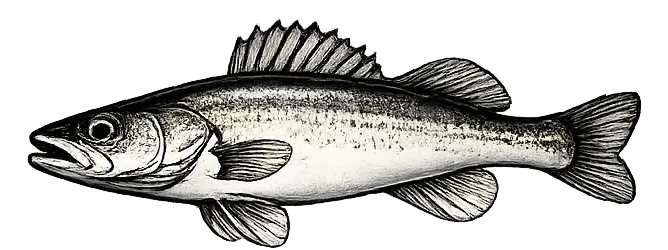
Walleye are the #1 target for ice anglers across Canada and the northern US. Fish in 15-35 feet of water near structure — points, sunken islands, and weed edges. Jig with a minnow head on a jigging spoon or a live minnow on a plain hook. The key is to be subtle: walleye often take the bait on the pause, not the jig.
Yellow Perch
Perch school in large numbers and are cooperative biters. Fish in 15-30 feet of water over sandy or gravel bottoms. Small tungsten jigs tipped with a wax worm or minnow piece. When you find one perch, stay put — there are likely dozens more in the same spot.
Northern Pike
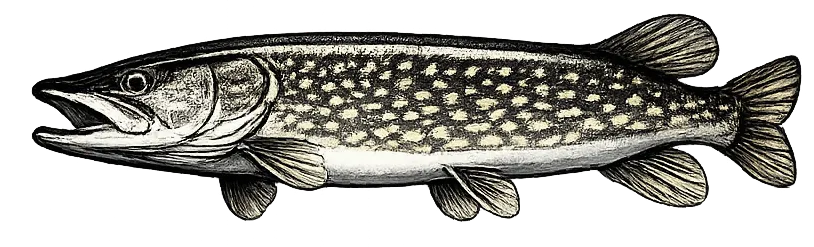
Pike are aggressive ice predators. Set tip-ups with large shiners or sucker minnows in 5-15 feet of water near weed beds. Use a steel or fluorocarbon leader — pike teeth cut through monofilament like paper. When a flag goes up, move quickly but don't set the hook until the fish has taken the bait and started swimming away.
Lake Trout
Lake trout inhabit deep, cold water. Target them in 40-100+ feet of water using large jigging spoons or live bait. Lake trout often suspend at specific depths, so vary your depth until you find them. Whitefish and cisco are their primary forage — use lures that imitate these baitfish.
Crappie
Crappie suspend in schools over deep water. They can be finicky ice biters. Use ultra-light tackle with small tungsten jigs tipped with a minnow. Fish just below the ice early in the season and deeper as winter progresses. Crappie often bite extremely lightly — watch your line, not your rod tip.
Essential Gear Checklist
- Ice auger (hand, gas, or electric)
- Ice rods and reels (at least 2 setups)
- Jigs, spoons, and terminal tackle in various sizes
- Live bait (minnows, wax worms, spikes)
- Ice scoop (to clear holes of slush and ice)
- Shelter or windbreak
- Ice picks and throw rope
- Spud bar (for checking ice thickness)
- Warm, waterproof clothing and boots
- Hand warmers and toe warmers
- Hot drinks in a thermos
- Electronics (sonar, fish finder) — optional but game-changing
Log Your Ice Catches with CatchTales
CatchTales works on the ice too — log your winter catches by voice, track which lakes produce, and build a record of your ice fishing success across seasons.
← Back to BlogPublished July 2026 by the CatchTales team.

Written by Maison Louis Design — The Art of Better Digital
Get CatchTales
Ready to start bragging? Download the app and hit the water.
Free version available — upgrade to Pro for $8.99/year or $19.99 lifetime (CAD).