How to Plan a Fishing Trip: Step-by-Step Guide
A complete guide to planning a successful fishing trip, from choosing a destination to packing gear and booking accommodations.
A well-planned fishing trip is the difference between an amazing experience and a frustrating one. Whether you're planning a day trip to a local lake or a week-long adventure in a remote province, here's a step-by-step guide to planning your perfect fishing trip.
Step 1: Choose Your Destination
Start by deciding what species you want to target. Different locations offer different fishing opportunities:
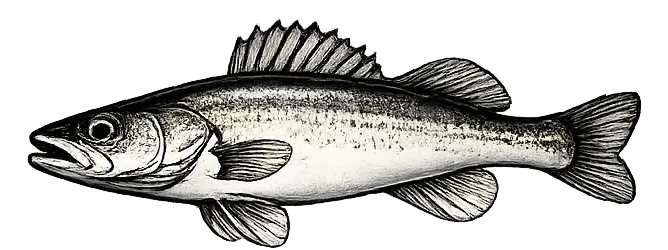
- Walleye — Lake Erie (Ontario/Ohio), Lake of the Woods (Ontario/Minnesota), Lac Seul (Ontario)
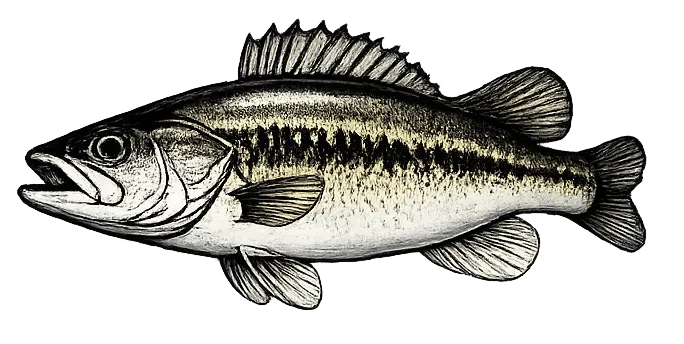
- Bass — Lake St. Clair (Michigan/Ontario), Lake Fork (Texas), Clear Lake (California)
- Salmon — Lake Ontario, Skeena River (BC), Campbell River (BC)
- Lake Trout — Great Bear Lake (NWT), Great Slave Lake (NWT), Lake Superior
- Panfish — Almost any lake in Canada or the US
- Multi-species — Lake of the Woods, Lake Erie, Lake Champlain
Consider travel distance, cost, and the time of year. Some destinations are best in specific seasons.
Step 2: Research the Lake or River
Once you've chosen a destination, research the specific water body:
- Water conditions — Depth, clarity, structure, weed growth, water temperature
- Fish populations — What species are present? Are there good numbers of catchable fish?
- Access points — Public boat launches, shore fishing areas, parking
- Local regulations — Seasons, size limits, catch limits, bait restrictions, special regulations
- Weather patterns — Prevailing winds, typical conditions for your travel dates
Use the CatchTales app to research community stats for lakes across Canada and the US.
Step 3: Choose Your Dates
- Check the solunar forecast — Plan your trip around major solunar periods for the best fishing.
- Check the weather forecast — Stable weather produces the best fishing. Avoid major cold fronts.
- Consider the season — Spring and fall generally offer the best fishing for most species.
- Check local events — Fishing tournaments, holidays, and local events can affect crowds and accommodations.
Step 4: Arrange Accommodations and Travel
- Book early — Popular fishing destinations book up weeks or months in advance, especially during peak season.
- Consider a fishing lodge or camp — Many Canadian lakes have remote fly-in lodges that include boats, guides, and meals.
- Camping — Provincial and state parks offer affordable accommodation near fishing waters.
- Boat rental — If you don't have your own boat, check for rental options at your destination.
- Guides — For your first trip to a new water, a guided day is worth every dollar.
Step 5: Pack Your Gear
Essential Fishing Gear
- Rods and reels — Pack 2-3 setups for different techniques (spinning, baitcasting, ultralight)
- Tackle — Jigs, hooks, sinkers, lures, soft plastics, swivels, leaders
- Line — Extra spools of monofilament, fluorocarbon, and braid
- Tools — Pliers, hook remover, scissors, line cutters, fish gripper
- Net — Rubberized landing net
- Fish finder / GPS — If you have one
- Camera or phone — For photos (use the CatchTales app!)
Essential Non-Fishing Gear
- Clothing — Layers for changing weather, rain gear, hat, sunglasses, sunscreen
- Food and water — Pack more than you think you'll need
- First aid kit — Including hook removal supplies
- Bug spray — Black flies and mosquitoes can ruin a trip
- Cooler — For keeping fish (if keeping) and food/drinks
Step 6: Prepare Your Boat (If Applicable)
- Check the motor — Fresh oil, fuel, battery charge
- Check safety gear — Life jackets, throwable PFD, fire extinguisher, flares, bailing bucket
- Check electronics — Fish finder, GPS, radio, phone charger
- Check the trailer — Tires, lights, bearings
- Clean your boat — Prevent the spread of invasive species. Clean, drain, dry before launching.
Step 7: While You're There
- Log your catches — Use the CatchTales app to record every catch with species, weight, length, location, weather, and lures.
- Take photos — Document your trip for memories and future reference.
- Stay flexible — If the fishing is slow on one spot, don't be afraid to move.
- Be safe — Wear your life jacket, watch the weather, and let someone know your plans.
Track Your Fishing with CatchTales
Plan and log your fishing trips with CatchTales. Track catches, conditions, and locations to build a library of your best fishing memories across Canada and the United States.
← Back to BlogPublished July 2026 by the CatchTales team.

Written by Maison Louis Design — The Art of Better Digital
Get CatchTales
Ready to start bragging? Download the app and hit the water.
Free version available — upgrade to Pro for $8.99/year or $19.99 lifetime (CAD).