
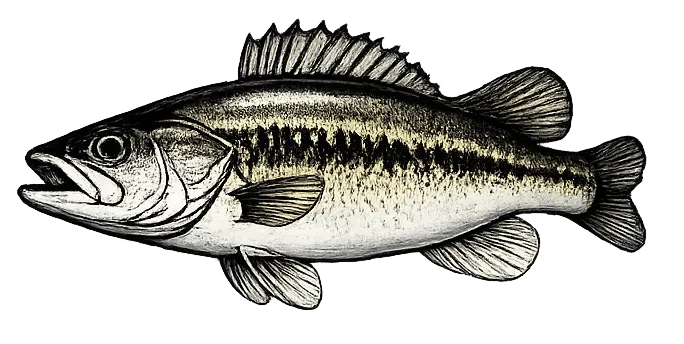
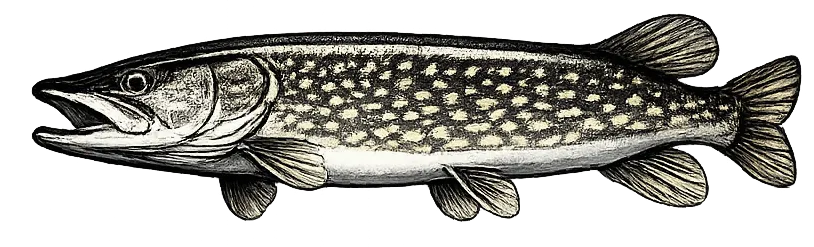
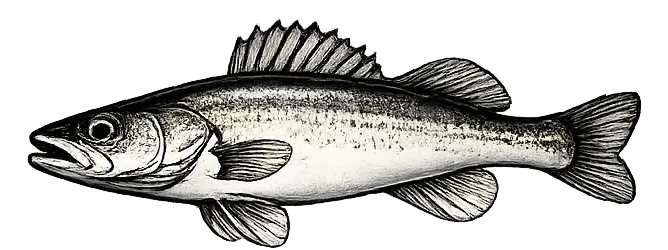

Whether you're upgrading your first combo or building a quiver of specialized setups, understanding how to choose a rod and reel individually opens up a world of better performance. Pre-made combos are convenient, but matching the right rod with the right reel for your specific fishing style makes all the difference on the water.
This guide covers everything you need to know about selecting rods and reels independently -- from understanding specs and ratings to pairing them for optimal balance across Canadian and US waters.
Part 1: Choosing a Fishing Rod
Rod Length
Length affects casting distance, leverage, and control. Here's a general breakdown:
- 5 to 6 feet (1.5-1.8m) -- Short rods for close-quarters fishing, ice fishing, kayak fishing, and jigging in tight cover. Excellent leverage for fighting fish in heavy structure.
- 6.5 to 7 feet (2.0-2.1m) -- The most versatile all-around length. Works for bass fishing, walleye, pike, and general freshwater use.
- 7.5 to 8 feet (2.3-2.4m) -- Longer casts, better line control for surf fishing, salmon/steelhead, and fishing from shore. More leverage but less accuracy in tight spaces.
- 9 to 12 feet (2.7-3.7m) -- Specialized rods for surf casting, float fishing for salmon, and ice fishing rods that need to suspend baits over multiple holes.
Rod Power (Weight)
Power describes the rod's resistance to bending -- how much force is needed to flex it. This determines what line weights and lure weights the rod handles best.
- Ultra-Light (UL) -- Panfish, trout, small walleye. Line: 1-4lb. Lures: 1/64-1/8oz.
- Light (L) -- Trout, crappie, small bass. Line: 4-8lb. Lures: 1/16-1/4oz.
- Medium-Light (ML) -- Walleye, smallmouth bass, trout. Line: 6-10lb. Lures: 1/8-3/8oz.
- Medium (M) -- The most versatile power. Bass, walleye, pike, catfish. Line: 8-14lb. Lures: 1/4-5/8oz.
- Medium-Heavy (MH) -- Bass in heavy cover, pike, muskie, larger catfish. Line: 12-20lb. Lures: 3/8-1oz.
- Heavy (H) -- Muskie, large pike, big catfish, saltwater. Line: 15-30lb. Lures: 3/4-2oz.
- Extra-Heavy (XH) -- Big game, tuna, halibut, muskie with heavy braid. Line: 20-50lb+. Lures: 1.5-4oz+.
Rod Action (Taper)
Action describes where the rod bends along its length. This affects casting accuracy, hook-setting power, and fish-fighting characteristics.
- Slow (Full Flex) -- Bends deep into the lower third of the rod. Excellent for casting light lures, protecting light leaders, and fighting fish with soft mouths (trout). The whole rod acts as a shock absorber.
- Moderate -- Bends in the upper half. A good all-around action that provides decent casting distance while maintaining hook-setting power. Popular for crankbaits and treble-hook lures.
- Moderate-Fast -- Bends mostly in the upper third with some mid-section flex. The most popular action for bass fishing. Good balance of sensitivity and casting performance.
- Fast -- Bends primarily in the top quarter. Excellent sensitivity for feeling bites, powerful hook sets with single hooks (jigs, Texas rigs, soft plastics), and quick fish control.
- Extra-Fast -- Bends only in the very tip. Maximum sensitivity and instant hook-setting power. Used for bottom contact techniques, heavy cover flipping, and punching. Minimal casting distance.
Pro Tip: Match action to your technique. Fast action for single-hook lures (jigs, worms, Texas rigs). Moderate action for treble-hook lures (crankbaits, jerkbaits, topwater). Slow action for light line and small lures.
Rod Material
- Fiberglass -- Heavy, durable, slow action. Nearly indestructible. Great for beginners, heavy cover flipping, and kids. Little sensitivity.
- Graphite (Carbon Fiber) -- Lightweight, sensitive, fast action. The standard for most modern rods. Higher modulus graphite is stiffer and more sensitive but more brittle. IM6, IM7, IM8 denote increasing modulus.
- Composite (Graphite + Fiberglass) -- Blends the sensitivity of graphite with the durability of fiberglass. Good mid-range option for anglers who want a balance of performance and toughness.
- Bamboo -- Traditional, heavy, slow action. Still used by some fly fishing purists. Not practical for general use but valued for its classic feel.
Rod Handle and Reel Seat
The handle should feel comfortable in your hand for hours of casting. Two main types:
- Cork -- Lightweight, comfortable, excellent vibration transmission. Traditional choice. Can be fragile and wears over time. High-quality cork (AAA grade) is increasingly expensive.
- EVA Foam -- Durable, weather-resistant, consistent feel in wet conditions. Less sensitive than cork but practically indestructible. Common on mid-range and saltwater rods.
Reel seats come in two styles: uplocking (reel sits above the locking nut) and downlocking (reel sits below). Uplocking is more common and generally preferred for better balance with heavier reels.
Guide Trains and Line Management
The number and quality of guides affect casting performance and line management. More guides distribute stress better and prevent line slap against the blank. Look for:
- Fuji guides -- Industry standard. Aluminum oxide or silicon carbide (SiC) inserts for smooth line flow.
- Single-foot guides -- Lighter, more sensitive, better for casting. Standard on most modern rods.
- Double-foot guides -- Stronger, better for heavy-duty applications and saltwater rods.
- Micro guides -- Reduce weight and improve line control. Popular on high-end casting rods. Not ideal for braided line in icy conditions.
Part 2: Choosing a Fishing Reel
Reel Types
- Spinning Reels -- The most versatile and beginner-friendly. The spool is fixed and line is wound by a rotating bail. Works well with light lines and lures. Excellent for finesse fishing, live bait, and situations where you need to make long, accurate casts. Best for line weights 2-14lb.
- Baitcasting Reels -- The spool rotates during casting, offering greater accuracy and control with heavier lines and lures. Ideal for power fishing techniques -- flipping, pitching, heavy cover, and large lures. Requires practice to avoid backlashes. Best for line weights 10-30lb+.
- Spincast Reels -- Closed-face design, push-button casting. Easy to use but limited performance. Best for casual anglers and kids.
- Conventional (Overseas) Reels -- Large, powerful reels for trolling, deep dropping, and big-game fishing. Star drag or lever drag systems. Used primarily in saltwater and Great Lakes trolling.
- Fly Reels -- Simple designs that store fly line and provide drag during the fight. Modern fly reels have sealed drag systems for saltwater use.
Reel Size
Reel size determines line capacity and balance with the rod. Sizing varies by manufacturer but generally follows these patterns:
| Spinning Reel Size | Line Capacity (mono) | Typical Use |
|---|---|---|
| 500-1000 | 2-6lb / 100-150yds | Panfish, trout, ice fishing |
| 2000-2500 | 4-8lb / 150-200yds | Trout, walleye, small bass |
| 3000-3500 | 6-12lb / 150-200yds | Bass, walleye, pike, general freshwater |
| 4000-4500 | 8-14lb / 180-220yds | Large bass, pike, catfish, light saltwater |
| 5000-6000 | 12-20lb / 200-250yds | Big pike, muskie, saltwater surf |
| 8000-14000 | 20-50lb / 300-500yds | Big-game saltwater, salmon/steelhead |
| Baitcasting Reel Size | Line Capacity (mono) | Typical Use |
|---|---|---|
| 50-70 (Low Profile) | 8-14lb / 100-150yds | Bass, walleye, general freshwater |
| 100-200 (Low Profile) | 10-17lb / 120-180yds | Bass, pike, muskie |
| 300-400 (Round) | 12-25lb / 150-250yds | Big pike, muskie, catfish, salmon |
| 500+ (Round) | 20-50lb / 200-400yds | Big-game, saltwater, trolling |
Gear Ratio
Gear ratio determines how fast you retrieve line. Higher ratios = faster retrieve.
- Low (4.0:1 - 5.0:1) -- Maximum torque. Best for deep cranking, large swimbaits, and applications where you need to winch fish out of heavy cover. Slower retrieve saves energy.
- Medium (5.0:1 - 6.4:1) -- All-purpose. Good for most techniques including crankbaits, spinnerbaits, and topwater. A 6.2:1 reel retrieves approximately 25-28 inches of line per crank.
- High (6.5:1 - 7.5:1) -- Fast retrieve. Ideal for Texas rigs, jigs, soft plastics, and techniques where you need to quickly take up slack line. Popular all-around choice for bass fishing.
- Ultra-High (7.6:1 - 10.0:1) -- Extremely fast. Used for burning spinnerbaits, frogging, and situations where you need to instantly engage a fish. Can be tiring for all-day use.
Drag System
The drag controls how much resistance a fish feels when pulling line. A smooth, reliable drag is critical for fighting fish without breaking your line or pulling hooks.
- Front Drag (Spinning) -- Located on the spool. Typically smoother and more durable than rear drag. Preferred for larger fish and higher performance.
- Rear Drag (Spinning) -- Located on the back of the reel body. Easier to adjust while fighting a fish but generally less smooth than front drag.
- Star Drag (Baitcasting/Conventional) -- Located beside the handle. The standard for most baitcasting and conventional reels. Simple, reliable, easy to adjust.
- Lever Drag (Conventional) -- Uses a lever to adjust drag through a preset range. Found on high-end conventional reels for big-game fishing. Allows precise, repeatable drag settings.
- Sealed Drag -- Enclosed drag system that keeps water and debris out. Essential for saltwater and kayak fishing where the reel gets submerged.
- Carbon Fiber Drag Washers -- The gold standard. Smooth, consistent, heat-resistant. Found on mid-range and higher reels.
Bearings
More bearings generally mean smoother operation, but quality matters more than quantity. High-quality stainless steel bearings in the right places outperform cheap bearings everywhere.
- 3-5 bearings -- Entry level. Adequate for casual use.
- 6-8 bearings -- Mid-range. Smooth enough for most anglers.
- 9-12 bearings -- High-end. Butter-smooth operation. The extra bearings are often in the handle and levelwind.
- Corrosion-resistant bearings -- Essential for saltwater. Look for stainless steel or shielded bearings.
Part 3: Matching Rod and Reel
Balance
A well-balanced setup rests naturally in your hand with the reel centered between your fingers. An unbalanced rod tips forward or backward, causing fatigue over a long day of fishing. The general rule: the reel should weigh approximately the same as the rod's tip section. Heavier rods need heavier reels to balance.
Quick balance test: Rest the rod across your index finger at the point where the reel seat meets the rod blank. If the rod balances horizontally (or tips slightly toward the butt), it's well balanced. If the tip drops heavily, the reel is too light for the rod.
Line Weight Compatibility
Your rod, reel, and line should work as a system. The reel's line capacity should match the line weight recommended on the rod blank. A medium-power rod rated for 8-14lb line pairs naturally with a 3000-size spinning reel or a 100-size baitcaster spooled with 10-12lb line.
Technique-Specific Pairings
- Finesse (light line, small lures) -- Ultra-light to light power, fast action spinning rod. 2000-2500 size spinning reel. 4-8lb fluorocarbon or braid.
- All-Purpose Freshwater -- Medium power, moderate-fast action spinning rod. 3000-3500 size reel. 8-12lb monofilament or braid.
- Bass Casting -- Medium-heavy power, fast action casting rod. 100-200 size low-profile baitcaster. 12-17lb fluorocarbon or 30-50lb braid.
- Pike/Muskie -- Heavy power, fast action casting rod. 300-400 size round baitcaster. 30-65lb braid.
- Walleye Trolling -- Medium-light to medium power, moderate action. 2500-3000 size spinning reel or line-counter reel. 8-12lb mono or braid.
- Salmon/Steelhead -- Medium-heavy to heavy, moderate-fast action, 9-10.5 feet. 4000-6000 size spinning reel or round baitcaster. 12-20lb mono or braid.
- Catfish -- Heavy power, moderate action. 4000-6000 size spinning reel or 300-400 size baitcaster. 20-40lb braid.
- Surf Fishing -- Heavy to extra-heavy power, moderate action, 10-12 feet. 6000-8000 size spinning reel. 20-30lb braid.
Part 4: Budget Tiers and Brands
Entry Level ($30-$80 per setup)
Good for casual anglers and beginners. Rods are fiberglass or low-modulus graphite with basic guides. Reels have fewer bearings and simpler drag systems. Recommended brands: Ugly Stik, Shakespeare, Abu Garcia Black Max, Daiwa Crossfire, Shimano Sienna.
Mid-Range ($80-$200 per setup)
The sweet spot for most anglers. Higher-modulus graphite rods with better guides and ergonomic handles. Reels have 5-8 bearings, smooth drags, and corrosion-resistant components. Recommended brands: St. Croix BassX, Dobyns Fury, Lew's Mach, Daiwa Fuego, Shimano Nasci, Penn Battle.
High-End ($200-$500 per setup)
Premium materials and craftsmanship. High-modulus graphite blanks, titanium or SiC guides, premium cork or custom EVA handles. Reels feature 10+ bearings, sealed drags, carbon fiber drag washers, and lightweight aluminum bodies. Recommended brands: G. Loomis, Megabass, Shimano Stella/Daiwa Certate, Lew's HyperMag, Abu Garcia Revo STX.
Ultimate ($500+)
The best of the best. Aerospace-grade materials, handcrafted blanks, custom components. Used by professional anglers and serious enthusiasts. Recommended brands: Megabass P5, G. Loomis NRX+, Shimano Antares/Daiwa Steez, Custom rod builders.
Putting It All Together
Choosing a rod and reel individually gives you the freedom to build a setup that's perfectly matched to your fishing style, target species, and local waters. Here's a simple process to follow:
- Start with your target species — What are you fishing for most often?
- Choose your technique — Casting, trolling, jigging, live bait?
- Select the rod first — Power and action based on species and technique. Length based on your fishing environment.
- Match the reel — Reel type and size that balances with the rod and has appropriate line capacity.
- Set your budget — Invest more in the rod if you prioritize sensitivity, or more in the reel for a smoother drag.
- Test the balance — Before buying, hold the rod with the reel mounted. It should balance naturally.
A well-matched rod and reel setup will feel like an extension of your arm. You'll cast farther, feel more bites, fight fish more effectively, and enjoy your time on the water more. Take the time to choose each component carefully, and you'll be rewarded every time you hit the water across Canada and the United States.
Track Every Catch With Your Perfect Setup
Log your catches, note which rod and reel you used, and discover what works best in your waters. CatchTales helps you learn from every outing.
← Back to Blog
Written by Maison Louis Design — The Art of Better Digital