
How to Catch Walleye: Tips for Beginners
A complete beginner's guide to catching walleye. Learn where to find them, what gear to use, and the best techniques for walleye fishing in Canada and the US.
Walleye are one of the most popular game fish in North America, prized for their excellent table fare and challenging nature. If you're new to walleye fishing, here's everything you need to know to start catching them consistently.
Understanding Walleye
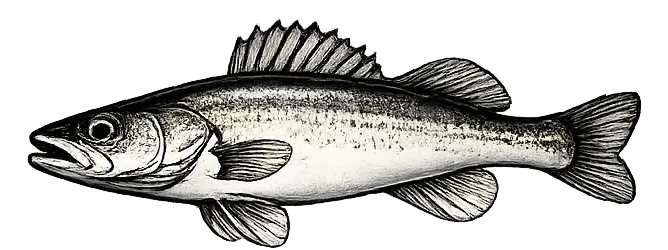
Walleye are members of the perch family (Percidae). They're easily identified by their large, glassy eyes that give them excellent low-light vision — their name comes from their opaque, "wall-eyed" appearance. This adaptation makes them primarily low-light feeders, most active at dawn, dusk, and after dark.
Where to Find Walleye
Spring (April-May)
Walleye spawn in spring when water temperatures reach 40-50°F (4-10°C). They move into shallow tributary rivers, rocky shorelines, and gravel bars. After spawning, they hold in nearby deeper water (10-20 feet) before moving to summer locations.
Summer (June-August)
Walleye relate to structure in 15-30 feet of water. Look for points, humps, weed edges, and deep holes. They're most active during low-light periods — early morning, evening, and night. During the day, they hold deeper and are less active.
Fall (September-October)
Walleye feed heavily in fall to build fat reserves for winter. They move shallower (10-20 feet) and relate to the same types of structure as summer but are more aggressive.
Winter (November-March)
Walleye remain active under the ice, holding in deep basins and along structure in 15-35 feet of water. Ice fishing for walleye is popular across Canada and the northern US.
Essential Gear for Walleye
- Rod: 6'6" to 7' medium-light to medium power spinning rod
- Reel: Size 2500 spinning reel
- Line: 8-10 lb monofilament or 10-15 lb braid with a fluorocarbon leader
- Jigs: 1/4 to 3/8 oz in chartreuse, fire tiger, orange, and white
- Soft plastics: 3-4" paddletail swimbaits, ring worms, minnow imitations
- Crankbaits: Shad Raps, Reef Runners, and Bandits in 6-15 foot diving depths
- Bottom bouncer + spinner rig — essential for trolling
- Needle nose pliers — for removing hooks from deeply hooked fish
Top Walleye Techniques for Beginners
Jig Fishing
The most fundamental walleye technique. Cast a jig (1/4-3/8 oz) tipped with a minnow or soft plastic, let it sink to the bottom, then lift and lower the rod tip as you retrieve. Walleye typically hit on the drop. Pay close attention — walleye bites can be subtle.
Trolling with Crankbaits
Trolling is an excellent way to cover water and find active walleye. Use deep-diving crankbaits and troll at 1.5-2.5 mph. Focus on structure like points, humps, and weed edges. Use a fish finder to stay at the right depth.
Live Bait Rigging
A sliding sinker rig (Lind Rig) with a live minnow, nightcrawler, or leech is one of the most effective walleye presentations. Cast out and slowly drag the rig along the bottom.
Tips for Catching More Walleye
- Fish low-light periods — Dawn, dusk, and overcast days produce the best walleye fishing.
- Go slow — Walleye aren't speedsters. Slow presentations with frequent pauses often trigger strikes.
- Use a fluorocarbon leader — Walleye in clear water can be line-shy. A 3-4 foot fluorocarbon leader makes a difference.
- Watch your electronics — A fish finder is nearly essential for finding walleye in deeper water.
- Log your catches — The CatchTales app helps you track which locations, depths, lures, and conditions produce best.
Track Your Fishing with CatchTales
Track your walleye fishing with CatchTales. Log every catch with location, depth, lure, and conditions to build your personal walleye fishing database.
← Back to BlogPublished July 2026 by the CatchTales team.

Written by Maison Louis Design — The Art of Better Digital
Get CatchTales
Ready to start bragging? Download the app and hit the water.
Free version available — upgrade to Pro for $8.99/year or $19.99 lifetime (CAD).