
Fishing with Kids: A Complete Guide for Parents
How to make fishing trips fun, safe, and memorable for children — from toddlers to teenagers.
Some of the best memories an angler can have involve a child catching their first fish. But taking kids fishing can also be stressful if you're not prepared — short attention spans, tangles, hooks, and boredom can derail a trip fast. This guide will help you set up for success before you even leave the driveway.
Choosing the Right Gear
Kids don't need fancy gear. They need gear that works reliably and is sized for them.
Rods and Reels (Ages 4-7)
- Spincast reel (closed-face, button push) — the classic Zebco-style reel. Almost impossible to birdnest, easy to use, perfect for first-timers.
- Short rod — 4.5 to 5.5 feet is ideal. A long rod is heavy and awkward for small children.
- 6-8 lb monofilament line — strong enough for panfish and small bass, easy to untangle if they do get a snag.
Rods and Reels (Ages 8-12)
- Spinning reel — a good time to learn open-face reels. Teach them on land first with no hook.
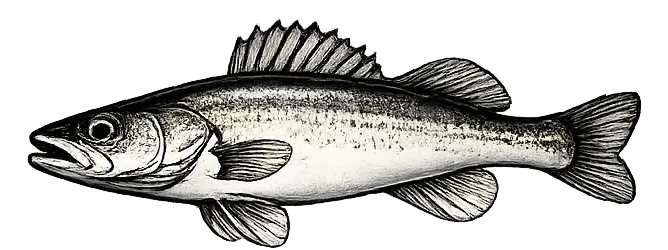
- 6-foot medium-light rod — versatile for panfish, bass, and walleye.
- 8-10 lb monofilament — gives them room to handle bigger fish without breaking off.
Terminal Tackle
- Size 6 or 8 hooks — small enough for panfish, big enough to handle
- Split shot weights — a single split shot 12 inches above the hook is all they need
- Small bobbers — the most exciting thing for a kid is watching a bobber go under
- Avoid treble hooks — use single hooks only until they're older and more cautious
Best Fish for Kids
The goal is catching, not fishing. These species are abundant, eager to bite, and found near shore:
- Bluegill and Sunfish — the perfect starter fish. Found everywhere, bite anything, and put up a fun fight for small hands.
- Crappie — school in shallow water during spring. Fast action keeps kids interested.
- Yellow Perch — cooperative biters, great eating, and easy to find.
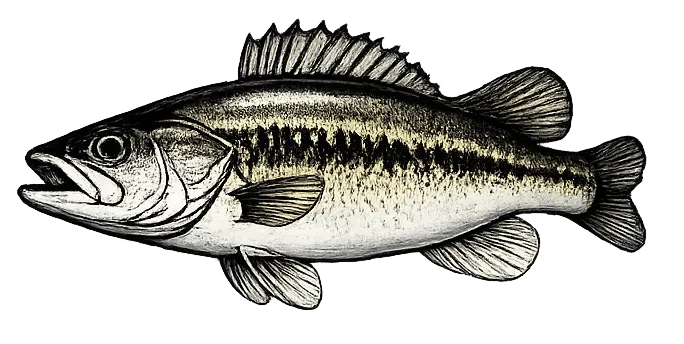
- Small Bass — young bass under 2 pounds are aggressive and fun on light tackle.
- Catfish (bullhead) — active at night, easy to catch with worms, and exciting for older kids.
Where to Take Kids Fishing
Location is everything. The best kid-friendly fishing spots have three things: easy access, safe banks, and active fish.
- Community fishing ponds — many cities stock ponds specifically for family fishing. They're usually mowed, have parking, and have easy bank access.
- Public docks and piers — no casting required, just drop a line straight down. Good for young children.
- Small lakes with rental boats — many provincial and state parks rent small boats or canoes for reasonable rates.
- Private pay ponds — stocked with hungry fish. Not the most "natural" experience, but guaranteed action. Great for building confidence.
- Marsh and canal banks — shallow, protected water with lots of panfish. Usually easy walking access.
Keeping Kids Engaged
The average child's attention span for fishing is about 45 minutes. Plan accordingly.
- Keep it short — an hour is plenty for young children. Leave while they're still having fun, not after they've begged to go home.
- Bring snacks and drinks — hungry children are not happy anglers.
- Let them explore — if they get bored fishing, let them look for frogs, skip rocks, or dig for worms. It's still a day outdoors.
- Celebrate everything — catching a boot or a piece of seaweed should get the same excitement as a trophy fish.
- Take breaks — every 15 minutes, take a pause. Let them run around or have a snack before going back to casting.
- Bring a friend — a buddy makes everything more fun for kids.
Safety for Young Anglers
- PFDs for all children near water — even if they can swim. Even if you're right beside them.
- Barbless hooks or pinched barbs — much easier to remove if someone gets hooked.
- Sun protection — kids burn faster than adults. Hats, sunscreen, long sleeves, and sunglasses.
- Life jackets on docks — a child can fall off a dock in an instant. PFDs are non-negotiable.
- Teach hook safety early — show them how to carry a rod (tip behind them, reel at their ear), and enforce it.
- Never leave children unattended near water — not for a minute.
Teaching the Basics
Here's a progression that works well for most kids:
- Trip 1: Just go to the water. Watch fish, feed ducks, look at boats. No fishing. Build comfort.
- Trip 2: Practice casting on land (in a park or backyard) with a rubber weight instead of a hook.
- Trip 3: First real fishing. You bait the hook, you remove the fish. They just reel.
- Trip 4+: Gradually let them do more — baiting, casting, unhooking (with help).
What to Pack
- Kids' fishing rod with spincast reel
- Small hooks (size 6-8), split shot, bobbers
- Worms or prepared bait (easy to handle)
- PFD for every child
- Sunscreen, hats, sunglasses
- Snacks and drinks
- Towel and change of clothes (they will get wet)
- First aid kit with bandages and antiseptic
- Net (makes landing fish easier and more fun)
- Camera or phone for photos
- Patience — the most important item on this list
Log Your Family's Catches with CatchTales
Keep a digital record of every fish your kids catch. Species, weight, length, photos, and the date — so you can look back on those first-fish memories years from now.
← Back to BlogPublished July 2026 by the CatchTales team.

Written by Maison Louis Design — The Art of Better Digital
Get CatchTales
Ready to start bragging? Download the app and hit the water.
Free version available — upgrade to Pro for $8.99/year or $19.99 lifetime (CAD).