
Fishing in Yukon: Top Species and Best Spots
The Yukon River produces the world's largest Chinook salmon, while the territory's pristine lakes and rivers offer exceptional Arctic grayling, lake trout, and northern pike.
The Yukon is a wilderness fishing destination like no other. The territory's vast, pristine waters produce some of the largest Chinook salmon in the world, along with exceptional populations of Arctic grayling, lake trout, and northern pike. The short but intense summer fishing season offers anglers a chance to experience true northern wilderness.
1. Yukon River (Chinook Salmon, Chum Salmon & Arctic Grayling)
Best time: June through August (Chinook peak late June-July)
The Yukon River is one of the great rivers of North America, flowing 3,000 kilometres from British Columbia through the Yukon to the Bering Sea. The river is famous for producing the world's largest Chinook salmon, with fish exceeding 60 pounds caught regularly. The Yukon River Chinook are genetically distinct — they travel over 3,000 kilometres to reach their spawning grounds, making them incredibly powerful. Fishing is primarily from boats out of Whitehorse, Carmacks, and Dawson City. Arctic grayling and chum salmon are also abundant.
2. Kluane Lake (Lake Trout & Arctic Grayling)
Best time: June through August
Kluane Lake, in southwestern Yukon, is one of the territory's premier fishing lakes. The lake is large, deep, and incredibly clear, with excellent populations of lake trout and Arctic grayling. Lake trout in the 5-15 pound range are common, with larger fish in the deeper basins. Arctic grayling are abundant in the lake's tributaries and along the shoreline. The lake is accessible from the Alaska Highway near Destruction Bay and offers stunning views of the Kluane icefields.
3. Teslin Lake (Northern Pike & Lake Trout)
Best time: June through August
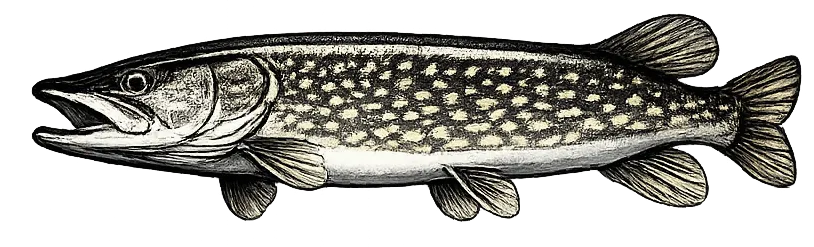
Teslin Lake, straddling the Yukon-British Columbia border, offers excellent fishing for northern pike and lake trout. The lake's shallow, weedy bays hold good populations of pike, with fish in the 5-15 pound range. The deeper basins hold lake trout that average 5-12 pounds. Teslin Lake is accessible from the Alaska Highway near the community of Teslin. The lake's size can be intimidating, but focusing on structure and weed edges will produce fish.
4. Watson Lake Area (Arctic Grayling & Northern Pike)
Best time: June through August
The Watson Lake area, near the Yukon-British Columbia border, offers excellent fishing for Arctic grayling and northern pike. The many lakes and rivers in the region, including the Liard River and its tributaries, hold healthy populations of both species. Arctic grayling are abundant and provide excellent light-tackle fishing. Northern pike in the region's shallow lakes can reach impressive sizes. The area is easily accessible from the Alaska Highway and offers several campgrounds and lodges.
5. Old Crow River (Arctic Char & Arctic Grayling)
Best time: July through August
The Old Crow River, in northern Yukon near the community of Old Crow, offers exceptional fishing for Arctic char and Arctic grayling. The river flows through the remote Old Crow Flats, a vast wetland complex that provides important fish habitat. Arctic char in the river system average 3-6 pounds and are powerful fighters. The region is accessible only by air from Whitehorse or Inuvik. This is one of the most remote fishing destinations in Canada, offering a true wilderness experience.
6. Pelly River (Northern Pike & Arctic Grayling)
Best time: June through August
The Pelly River, flowing through central Yukon, offers excellent fishing for northern pike and Arctic grayling. The river's slow-moving sections and shallow bays hold good pike populations, with fish in the 5-12 pound range. Arctic grayling are abundant in the riffles and faster sections. The Pelly River is accessible from the Campbell Highway and offers several access points for boat and canoe anglers. The river is also a popular route for multi-day canoe trips.
7. Stewart River (Chinook Salmon, Chum Salmon & Grayling)
Best time: July through August
The Stewart River, a major tributary of the Yukon River, offers excellent salmon fishing in a remote wilderness setting. The river hosts runs of Chinook and chum salmon, with Chinook averaging 20-40 pounds. Arctic grayling are abundant throughout the river system. The Stewart River is accessible from the Silver Trail highway and offers several access points. The river's remote character means less fishing pressure and excellent fishing for those willing to travel.
8. Frances Lake (Lake Trout & Northern Pike)
Best time: June through August
Frances Lake, in southeastern Yukon, offers excellent fishing for lake trout and northern pike in a pristine wilderness setting. The lake is large and deep, with excellent lake trout populations. Fish in the 5-12 pound range are common, with larger fish available in the deeper basins. Northern pike are abundant in the shallow, weedy bays. Frances Lake is accessible by road from the Campbell Highway and offers a remote camping experience.
9. Liard River (Northern Pike)
Best time: June through August
The Liard River, flowing through southeastern Yukon, offers excellent northern pike fishing. The river's slow-moving sections, backwaters, and shallow bays provide ideal pike habitat. Pike in the 5-15 pound range are common, with larger fish in the less-pressured areas. The Liard River is accessible from the Alaska Highway near Watson Lake. The river is also popular for canoe trips and offers good opportunities for wildlife viewing.
10. Kathleen River (Arctic Grayling)
Best time: June through August
The Kathleen River, near Haines Junction, offers excellent Arctic grayling fishing in a beautiful mountain setting. The river's clear, cold water and classic riffle-pool structure provide ideal grayling habitat. Grayling in the 12-18 inch range are common, with larger fish available. The Kathleen River is easily accessible from the Alaska Highway and is a popular destination for fly anglers. The river's scenic beauty — set against the backdrop of the Kluane Range — makes it a must-fish destination.
Fishing Tips for Yukon
- Get a licence — All anglers 18+ need a Yukon fishing licence. Buy online at yukon.ca/fishing. A separate salmon conservation stamp is required for salmon fishing.
- Plan for the short season — The Yukon fishing season is short and intense, typically June through August. Most rivers are ice-free by early June, and fishing peaks in July.
- Bring insect repellent — Yukon mosquitoes and black flies can be intense, especially in June and early July. A head net and high-DEET repellent are essential.
- Respect the salmon — Yukon River Chinook salmon are a precious resource. Most salmon fishing is catch-and-release. Handle fish carefully and keep them in the water.
- Come prepared — The Yukon is remote. Services are limited outside Whitehorse. Bring all the gear, supplies, and spares you will need for your trip.
Track Your Fishing with CatchTales
Log every catch with CatchTales — track species, weight, length, GPS location, weather, and solunar conditions. Works across all of Canada, including Yukon.
← Back to BlogPublished July 2026 by the CatchTales team.

Written by Maison Louis Design — The Art of Better Digital
Get CatchTales
Ready to start bragging? Download the app and hit the water.
Free version available — upgrade to Pro for $8.99/year or $19.99 lifetime (CAD).