
Fishing in Nova Scotia: Top Species and Best Spots
Nova Scotia offers world-class Atlantic salmon fishing, sea-run brook trout, and excellent smallmouth bass in a stunning coastal setting.
Nova Scotia is defined by the sea. The province's countless rivers and lakes offer exceptional freshwater fishing, while the surrounding Atlantic Ocean provides world-class saltwater opportunities. Nova Scotia is particularly famous for its Atlantic salmon rivers and sea-run brook trout, but the province also offers excellent smallmouth bass, striped bass, and trout fishing.
1. Margaree River (Atlantic Salmon & Brook Trout)
Best time: June through October (salmon June-September, trout May-June)
The Margaree River on Cape Breton Island is one of Canada's most famous Atlantic salmon rivers. The river's clear, cold water and classic pool-and-riffle structure provide perfect salmon habitat. Salmon in the 8-15 pound range are common, with larger fish available. The Margaree also offers excellent sea-run brook trout fishing in the spring, with trout averaging 1-3 pounds. The river is easily accessible and has numerous lodges and outfitters. Fly fishing is the standard technique for both salmon and trout.
2. Bras d'Or Lakes (Brook Trout, Striped Bass & White Perch)
Best time: May through October
The Bras d'Or Lakes on Cape Breton Island are a unique inland sea that offers a mix of freshwater and saltwater fishing. The lakes hold sea-run brook trout that average 1-3 pounds, striped bass, white perch, and gaspereau. The estuaries and river mouths are particularly productive. The Bras d'Or Lakes are also a popular destination for kayak fishing, with protected waters and stunning scenery. The area around Baddeck and Whycocomagh offers excellent access.
3. Lake Rossignol (Smallmouth Bass)
Best time: June through September
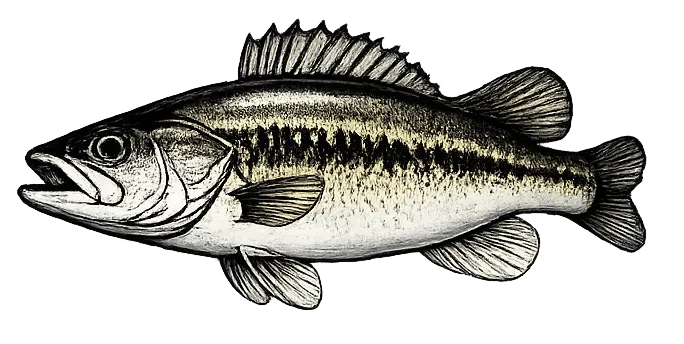
Lake Rossignol, near Liverpool in southwestern Nova Scotia, is the premier smallmouth bass fishery in the province. The lake is large, shallow, and productive, with abundant smallmouth bass in the 1-3 pound range. The lake's stained water and abundant structure — rocky points, weed beds, and fallen timber — create ideal bass habitat. Topwater fishing for smallmouth is exceptional in the early morning and evening. The lake is easily accessible and has several campgrounds and boat launches.
4. Medway River (Atlantic Salmon & Brown Trout)
Best time: June through September
The Medway River, near Bridgewater, offers excellent fishing for Atlantic salmon and brown trout. The river is known for its runs of bright Atlantic salmon, with fish in the 6-12 pound range. Brown trout are also present and provide excellent sport, with fish in the 1-4 pound range. The river's classic pool-riffle structure is well-suited to fly fishing. The Medway is a popular river for guided trips and has good public access throughout its length.
5. St. Mary's River (Atlantic Salmon)
Best time: June through September
The St. Mary's River, on the Eastern Shore, is one of Nova Scotia's premier Atlantic salmon rivers. The river is known for its consistent salmon runs and beautiful scenery. Salmon in the 6-12 pound range are common, with larger fish available. The river's clear water and classic pools make it a favourite among fly anglers. The St. Mary's is largely catch-and-release and is carefully managed to protect the salmon population.
6. Shubenacadie River (Striped Bass)
Best time: May through July
The Shubenacadie River, flowing into the Bay of Fundy, offers the best striped bass fishing in Nova Scotia. The river's famous tidal bore creates unique fishing conditions, with striped bass feeding aggressively in the churning water. Fish in the 5-15 pound range are common, with trophies over 30 pounds possible. The spring run in May and June is the peak season. The river is easily accessible from Halifax and has several guided charter operators.
7. Cape Breton Highlands (Brook Trout)
Best time: June through August
The Cape Breton Highlands offer exceptional brook trout fishing in a stunning wilderness setting. The numerous small rivers and streams that flow off the highlands hold native brook trout that average 8-14 inches, with larger fish in the deeper pools. The Clyburn River, Cheticamp River, and Aspy River are all productive. Many of these streams are in Cape Breton Highlands National Park, requiring a park permit. Fly fishing with small dry flies and nymphs is the classic approach.
8. Kejimkujik National Park (Brook Trout & White Perch)
Best time: May through September
Kejimkujik National Park in southwestern Nova Scotia offers excellent fishing for native brook trout and white perch. The park's numerous lakes and streams hold healthy brook trout populations, with fish averaging 8-12 inches. White perch are abundant in the larger lakes and provide excellent family fishing. The park is a designated Dark Sky Preserve and offers a unique combination of fishing, camping, and stargazing. Canoe camping trips on the park's backcountry lakes are a popular option.
9. LaHave River (Atlantic Salmon & Rainbow Trout)
Best time: June through September
The LaHave River, near Bridgewater, offers excellent fishing for Atlantic salmon and rainbow trout. The river has a healthy run of salmon, with fish in the 6-12 pound range. Rainbow trout are present throughout the river system and provide excellent sport on light tackle. The LaHave is known for its beautiful scenery and good public access. The river's lower section near the town of Bridgewater offers convenient access for anglers based in the region.
10. Tobeatic Wilderness Area (Brook Trout & Smallmouth Bass)
Best time: June through August
The Tobeatic Wilderness Area, the largest protected wilderness in Nova Scotia, offers remote fishing for brook trout and smallmouth bass. The area's numerous lakes and rivers are accessible only by canoe or on foot, providing a true wilderness experience. Brook trout in the Tobeatic's remote lakes are less pressured and can reach impressive sizes. Smallmouth bass are present in the larger lakes. This is a destination for serious wilderness anglers looking to escape the crowds.
Fishing Tips for Nova Scotia
- Get a licence — All anglers 16+ need a Nova Scotia fishing licence. Buy online at novascotia.ca/fishing. A separate salmon licence is required.
- Try sea-run brook trout — Nova Scotia's sea-run brook trout are a unique fishery. These fish migrate to saltwater and return to freshwater larger and more powerful than their landlocked cousins. Spring is the prime time.
- Watch the tides — Many Nova Scotia rivers are tidal in their lower reaches. Fishing is often best on the incoming or outgoing tide. Check local tide tables before heading out.
- Respect the salmon — Atlantic salmon populations in Nova Scotia are fragile. Most rivers are catch-and-release only. Use barbless hooks and keep fish in the water for release.
- Book guided trips — Many of Nova Scotia's best salmon rivers are best fished with a guide who knows the water and can provide equipment and expertise.
Track Your Fishing with CatchTales
Log every catch with CatchTales — track species, weight, length, GPS location, weather, and solunar conditions. Works across all of Canada, including Nova Scotia.
← Back to BlogPublished July 2026 by the CatchTales team.

Written by Maison Louis Design — The Art of Better Digital
Get CatchTales
Ready to start bragging? Download the app and hit the water.
Free version available — upgrade to Pro for $8.99/year or $19.99 lifetime (CAD).