
Fishing in Northwest Territories: Top Species and Best Spots
The Northwest Territories are home to Great Bear Lake and Great Slave Lake — two of the greatest lake trout fisheries on Earth, plus world-class Arctic grayling and northern pike.
The Northwest Territories offer some of the most spectacular freshwater fishing in the world. Great Bear Lake and Great Slave Lake are legendary destinations for trophy lake trout, while the territory's countless rivers and smaller lakes hold exceptional populations of Arctic grayling, northern pike, Arctic char, and inconnu.
1. Great Bear Lake (Lake Trout)
Best time: July through August
Great Bear Lake is widely considered the best lake trout fishery in the world. The lake is the eighth-largest in the world, with waters so clear and pure they rival distilled water. Lake trout in Great Bear Lake grow slowly in the cold, nutrient-poor water, but they live long and reach enormous sizes — fish over 50 pounds are caught every year, and the world record could swim here. The lake is strictly catch-and-release for trophy fish. Fly-in lodges operate on the lake, offering week-long packages. This is a true bucket-list destination.
2. Great Slave Lake (Lake Trout, Northern Pike & Arctic Grayling)
Best time: June through August
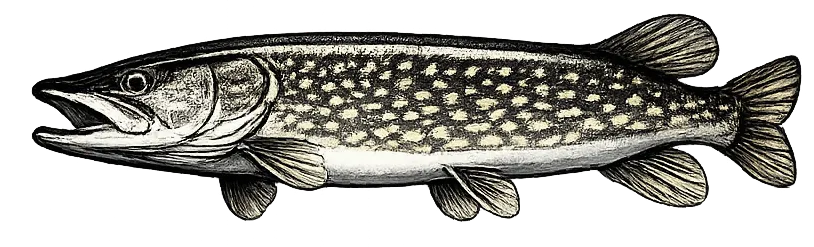
Great Slave Lake, the deepest lake in North America, offers exceptional fishing for lake trout, northern pike, and Arctic grayling. The lake's east arm is particularly famous for its trophy lake trout, with fish in the 15-30 pound range common. The shallow, weedy bays along the north shore hold excellent pike populations. The tributaries flowing into the lake offer outstanding Arctic grayling fishing. The lake is accessible from Yellowknife and Hay River, with several lodges and outfitters operating on its waters.
3. Mackenzie River (Inconnu, Arctic Grayling & Northern Pike)
Best time: June through August
The Mackenzie River, the longest river in Canada, offers a unique fishing experience for species not found in most of Canada. The river is famous for its inconnu (also called coney), a large whitefish species that can exceed 30 pounds. Inconnu are powerful fighters and provide exceptional sport. Arctic grayling are abundant throughout the river system, and northern pike are common in the slower sections and backwaters. The Mackenzie is accessible from several communities along its length, including Fort Providence and Fort Simpson.
4. Nahanni River (Arctic Grayling & Walleye)
Best time: June through August
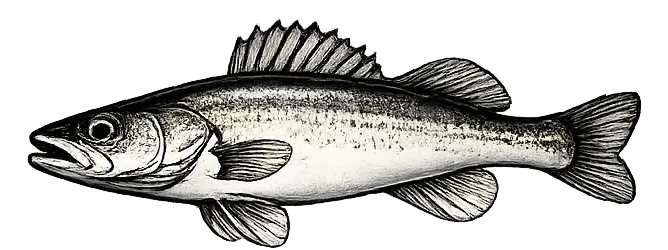
The Nahanni River, flowing through Nahanni National Park, is a UNESCO World Heritage Site that offers spectacular scenery and excellent fishing. The river's clear, cold water holds healthy populations of Arctic grayling and walleye. Grayling in the 14-18 inch range are common. Walleye are found in the slower sections and pools. The Nahanni is a popular destination for multi-day canoe trips that combine fishing with wilderness exploration. The park's famous Virginia Falls is a must-see destination.
5. Taltson River (Northern Pike & Walleye)
Best time: June through August
The Taltson River, east of Great Slave Lake, offers excellent fishing for northern pike and walleye. The river's slow-moving sections, shallow bays, and backwaters provide ideal pike habitat. Pike in the 5-15 pound range are common. Walleye are abundant in the deeper pools and current breaks. The Taltson River is accessible by boat from Great Slave Lake or by float plane. The river's remote character means excellent fishing with little pressure.
6. Lac la Martre (Lake Trout & Northern Pike)
Best time: June through August
Lac la Martre, northwest of Yellowknife, offers excellent lake trout and northern pike fishing in a remote wilderness setting. The lake is large and deep, with excellent lake trout populations. Fish in the 5-15 pound range are common. The lake's shallow bays hold good pike populations. Lac la Martre is accessible by float plane from Yellowknife, with several lodges operating on the lake. The fishing is excellent throughout the short summer season.
7. Yellowknife Area Lakes (Northern Pike & Lake Trout)
Best time: June through August
The numerous lakes in the Yellowknife area offer excellent fishing for northern pike and lake trout with easy access from the territorial capital. Frame Lake, Prelude Lake, and Madeline Lake are popular options. Pike in the 3-10 pound range are common, with larger fish in the less-pressured lakes. Lake trout are found in the deeper lakes. The Yellowknife area offers the best combination of accessibility and quality fishing in the NWT.
8. Tree River (Arctic Char)
Best time: July through August
The Tree River, flowing into the Arctic Ocean east of Kugluktuk, is one of the most famous Arctic char rivers in Canada. The river's short, powerful run produces large, brilliantly coloured Arctic char that average 5-10 pounds. The char run up the river in July and August to spawn, providing spectacular fishing in a stunning Arctic setting. The Tree River is fly-in only and accessed through lodges that operate on the river. This is a premier destination for serious char anglers.
9. Coppermine River (Arctic Char & Arctic Grayling)
Best time: July through August
The Coppermine River, flowing through the Kugluktuk region, offers excellent fishing for Arctic char and Arctic grayling. The river is longer and more accessible than the Tree River, with good char runs and excellent grayling populations throughout. The Coppermine is accessible by boat from Kugluktuk or by float plane. The river's scenic beauty and remote character make it a popular destination for wilderness anglers.
10. Slave River (Walleye & Northern Pike)
Best time: June through August
The Slave River, flowing from Lake Athabasca into Great Slave Lake, offers excellent fishing for walleye and northern pike. The river's current, deep pools, and structure provide diverse habitat. Walleye in the 2-5 pound range are common. Northern pike are abundant in the slower sections and backwaters. The Slave River is accessible from Fort Smith and offers good shore and boat fishing opportunities. The river is also famous for its Class V whitewater — world-class kayakers come from around the world to run the Slave River rapids.
Fishing Tips for Northwest Territories
- Get a licence — All anglers 18+ need an NWT fishing licence. Buy online at nwtfishing.ca. Non-residents require a separate licence.
- Book fly-in lodges early — Lodges on Great Bear Lake and the Arctic char rivers book years in advance. Plan your trip well ahead.
- Prepare for the weather — The NWT summer is short and weather can be cold and wet even in July. Bring warm layers, rain gear, and a good tent if camping.
- Bring insect repellent — Northern mosquitoes and black flies can be intense, especially in June and July. A head net and high-DEET repellent are essential.
- Respect the resource — Fish in the NWT grow slowly in cold waters. Most trophy fisheries are catch-and-release. Handle fish carefully and keep them in the water.
Track Your Fishing with CatchTales
Log every catch with CatchTales — track species, weight, length, GPS location, weather, and solunar conditions. Works across all of Canada, including the Northwest Territories.
← Back to BlogPublished July 2026 by the CatchTales team.

Written by Maison Louis Design — The Art of Better Digital
Get CatchTales
Ready to start bragging? Download the app and hit the water.
Free version available — upgrade to Pro for $8.99/year or $19.99 lifetime (CAD).