
Fishing in Alberta: Top Species and Best Spots
From the world-famous Bow River trout fishery to northern lakes full of walleye and pike, Alberta offers diverse fishing across prairies, foothills, and boreal forest.
Alberta may be known for the Rocky Mountains and the Calgary Stampede, but its fishing is world-class. The province spans four distinct eco-regions — mountains, foothills, prairies, and boreal forest — each offering unique fishing opportunities. From brown trout and rainbows in the Bow River to walleye and lake trout in the north, here are the top species and where to find them.
1. Bow River (Brown Trout & Rainbow Trout)
Best time: May through October (peak June and September)
The Bow River through Calgary is one of the premier trout fisheries in North America. It holds exceptional numbers of brown trout (2-8 pounds, with trophies over 15) and rainbow trout (1-5 pounds). The river's high productivity comes from nutrient-rich water and an abundance of aquatic insects. The most productive section runs from Carseland Weir downstream to the Bassano Dam, but the entire river from Banff National Park to the Saskatchewan border holds fish. Drift fishing with bead-head nymphs and streamers, or dry fly fishing during summer hatches, is the standard. The Bow supports a strong catch-and-release ethic.
2. Lac Ste. Anne (Walleye)
Best time: May through September, and winter ice fishing
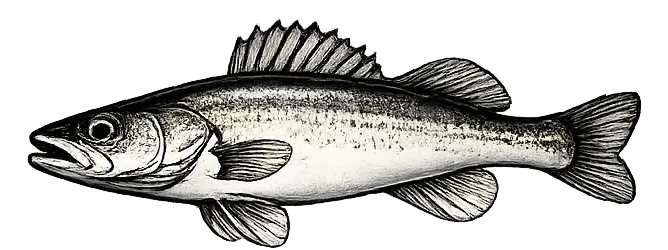
Lac Ste. Anne, northwest of Edmonton, is one of Alberta's premier walleye lakes. The lake's shallow, productive waters support a dense walleye population with fish in the 2-5 pound range common. Jigging with minnows or trolling with worm harnesses are the most productive techniques. The lake also offers excellent ice fishing in winter, with walleye remaining active under the ice. Yellow perch and northern pike are also abundant.
3. Pigeon Lake (Walleye & Northern Pike)
Best time: May through September
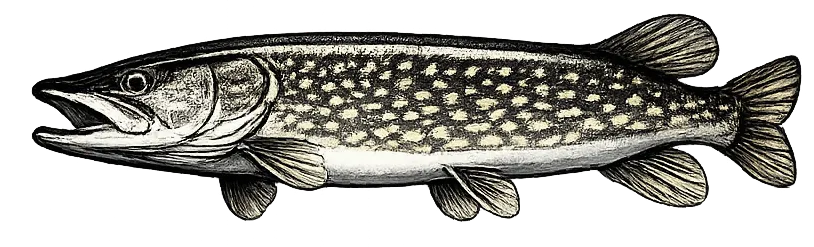
Pigeon Lake, located southwest of Edmonton, is a large, shallow lake known for its excellent walleye and pike fishing. The lake has abundant weed beds, rocky points, and shallow flats that hold good numbers of fish. Walleye in the 2-4 pound range are common, with larger fish available for anglers willing to work deeper structure. Northern pike up to 15 pounds are regularly caught. The lake is also a popular ice fishing destination.
4. Lesser Slave Lake (Walleye, Northern Pike & Lake Whitefish)
Best time: June through August, and winter ice fishing
Lesser Slave Lake, north of Edmonton, is one of the largest lakes in Alberta and offers outstanding fishing for walleye, northern pike, and lake whitefish. The lake's vast size and diverse habitat support healthy populations of all three species. Walleye in the 3-6 pound range are common. The lake is famous for its ice fishing, drawing anglers from across the province for walleye and whitefish. Jigging and tip-up fishing are the primary winter techniques.
5. Cold Lake (Lake Trout & Walleye)
Best time: May through September, and winter ice fishing
Cold Lake, on the Alberta-Saskatchewan border, is a deep, clear lake renowned for its lake trout fishery. The lake reaches depths of over 300 feet and holds lake trout that regularly exceed 20 pounds. Trolling with downriggers and large spoons or bait rigs is the primary technique for lake trout. The lake also holds excellent walleye populations, particularly in the shallower basins. Cold Lake's ice fishing season is legendary, with lake trout caught through the ice in mid-winter.
6. North Saskatchewan River (Walleye, Goldeye & Sturgeon)
Best time: June through September
The North Saskatchewan River flows through Edmonton and offers excellent fishing for walleye, goldeye, and lake sturgeon. The walleye population is healthy, with fish in the 2-5 pound range. Goldeye, a lesser-known species, provide excellent light-tackle fishing and are abundant throughout the river. Lake sturgeon, while slow-growing and protected, are present and occasionally caught. The river's current, deep pools, and structure provide diverse habitat. Jigging, bottom bouncing, and drift fishing are all productive.
7. Oldman River (Rainbow Trout, Brown Trout & Bull Trout)
Best time: April through October
The Oldman River in southern Alberta offers excellent trout fishing in a stunning prairie setting. The river holds rainbow trout, brown trout, and bull trout. The section downstream of the Oldman River Dam is particularly productive, with stable flows and good insect hatches. Fly fishing with nymphs and streamers is the dominant technique. The Crowsnest River, a tributary of the Oldman, is also a world-class trout stream with excellent dry fly fishing during summer.
8. Athabasca River (Walleye, Northern Pike & Arctic Grayling)
Best time: June through August
The Athabasca River flows through Jasper National Park and the boreal forest of northern Alberta. It offers excellent fishing for walleye, northern pike, and Arctic grayling. The upper reaches near Jasper hold healthy grayling populations that respond well to small spoons and flies. The lower reaches, north of Athabasca, are prime walleye and pike water. The river's remote character means less fishing pressure and excellent fishing for those willing to travel.
9. Waterton Lakes National Park (Trout & Whitefish)
Best time: June through September
Waterton Lakes, in the southwest corner of the province, offers stunning mountain scenery and excellent fishing for rainbow trout, cutthroat trout, and mountain whitefish. Upper Waterton Lake is deep and clear, holding lake trout as well. The park's streams, including the Waterton River and Cameron Creek, offer excellent fly fishing for cutthroat trout. Fishing in the park requires a national park fishing permit in addition to an Alberta licence.
10. Beaverlodge & Sturgeon Lake Regions (Northern Pike)
Best time: May through August, and winter ice fishing
The lakes and rivers of northwestern Alberta, including the Beaverlodge and Sturgeon Lake regions, offer some of the best northern pike fishing in the province. These productive, shallow lakes grow big pike, with fish in the 5-15 pound range common and trophies over 20 pounds possible. Large spoons, spinnerbaits, and live bait under a bobber are all effective. The region also offers excellent walleye fishing as a bonus.
Fishing Tips for Alberta
- Get a licence — All anglers 18+ need an Alberta fishing licence. Buy online at albertarelm.com. National park permits are separate.
- Watch the water levels — Spring runoff (May-June) can make rivers high and murky. Late June through September offers the best conditions for most rivers.
- Check the regulations — Alberta has strict limits and bait bans on many trout streams. Many waters are catch-and-release only for certain species. Always check the current Alberta Guide to Fishing Regulations.
- Prepare for weather — Alberta weather changes rapidly, especially in the mountains and foothills. Thunderstorms can develop quickly in the afternoon. Always carry rain gear and extra layers.
- Respect private land — Much of Alberta's shoreline is privately owned. Use designated public access points and respect landowner rights.
Track Your Fishing with CatchTales
Log every catch with CatchTales — track species, weight, length, GPS location, weather, and solunar conditions. Works across all of Canada, including Alberta.
← Back to BlogPublished July 2026 by the CatchTales team.

Written by Maison Louis Design — The Art of Better Digital
Get CatchTales
Ready to start bragging? Download the app and hit the water.
Free version available — upgrade to Pro for $8.99/year or $19.99 lifetime (CAD).